KAMYANA BABA
Individual specimen record for PRM 1890.30.1.
Exploring the intersections of death, anthropology, archaeology, territories, and art through a rigorous and reflective digital archive.
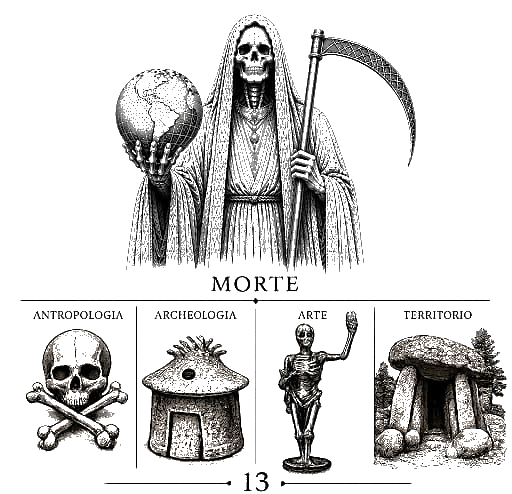
Curated entry points into our cross-disciplinary research and archival holdings.
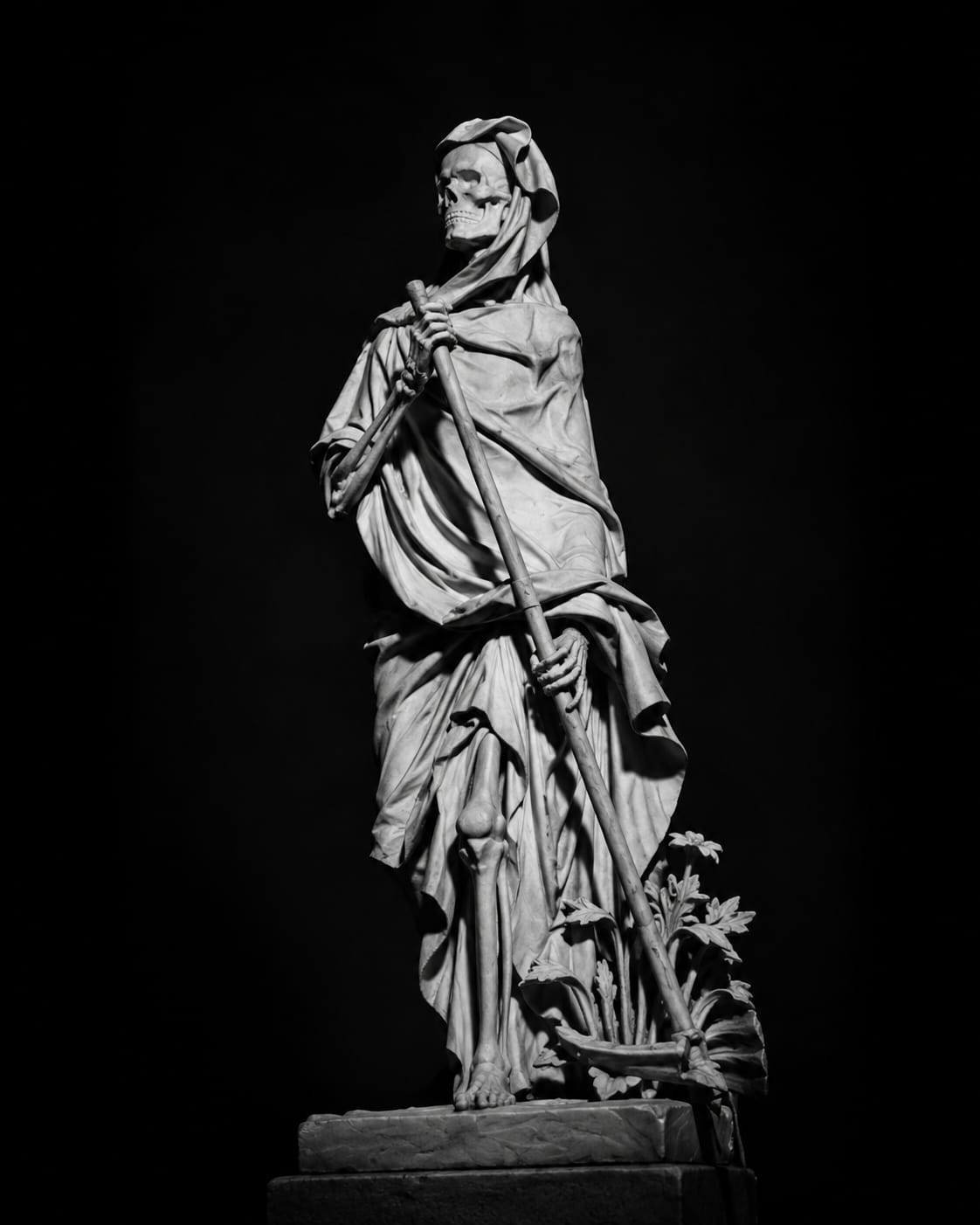
Rites, practices, symbols, and representations of death across cultures and through time.

Cultural practices, collective memory, oral traditions, identity, and community.
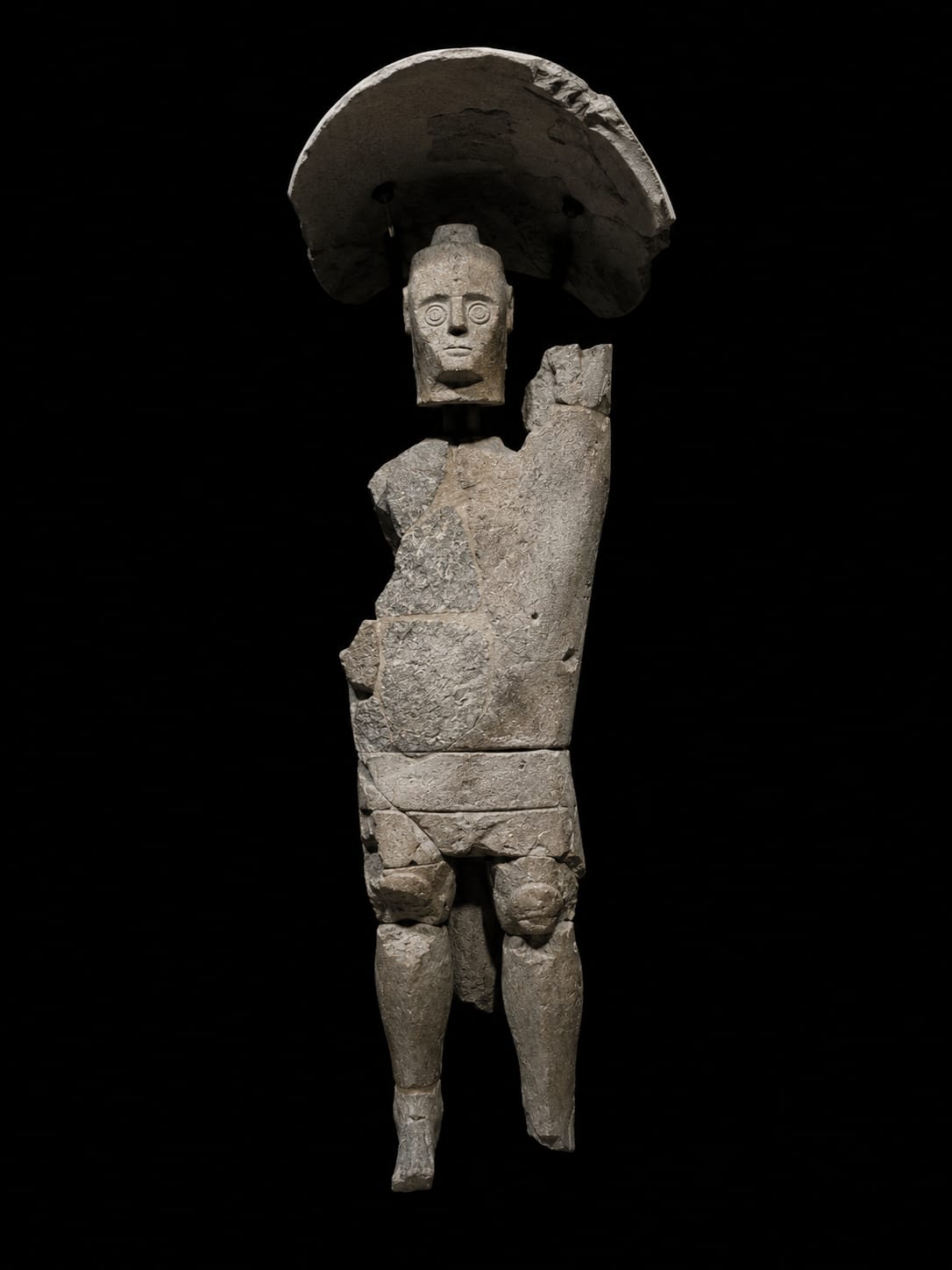
Funerary contexts, sites, finds, and archaeological layers of funerary and ritual practices.
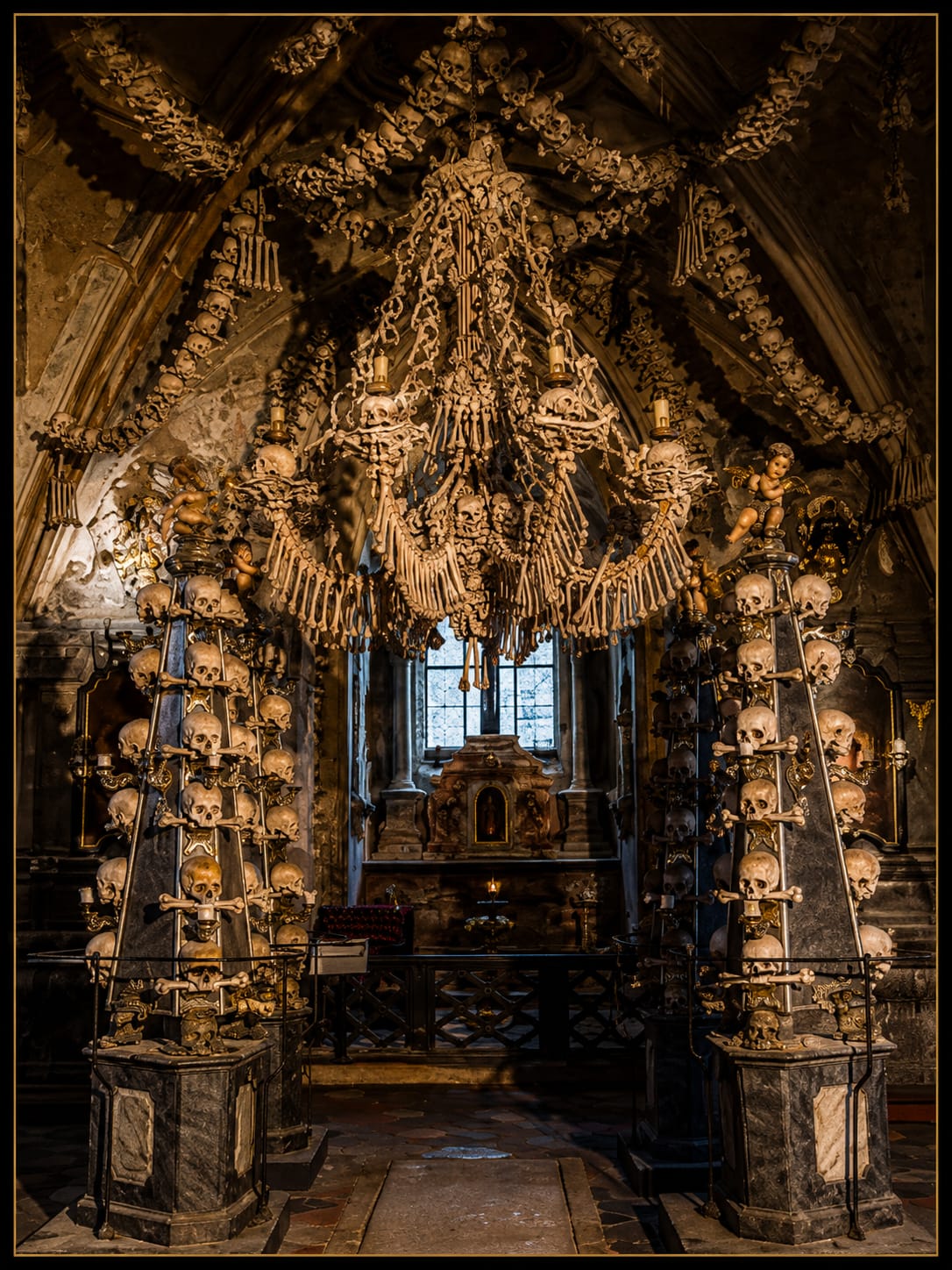
Cultural landscapes, places of memory, historical maps, and territorial contexts.
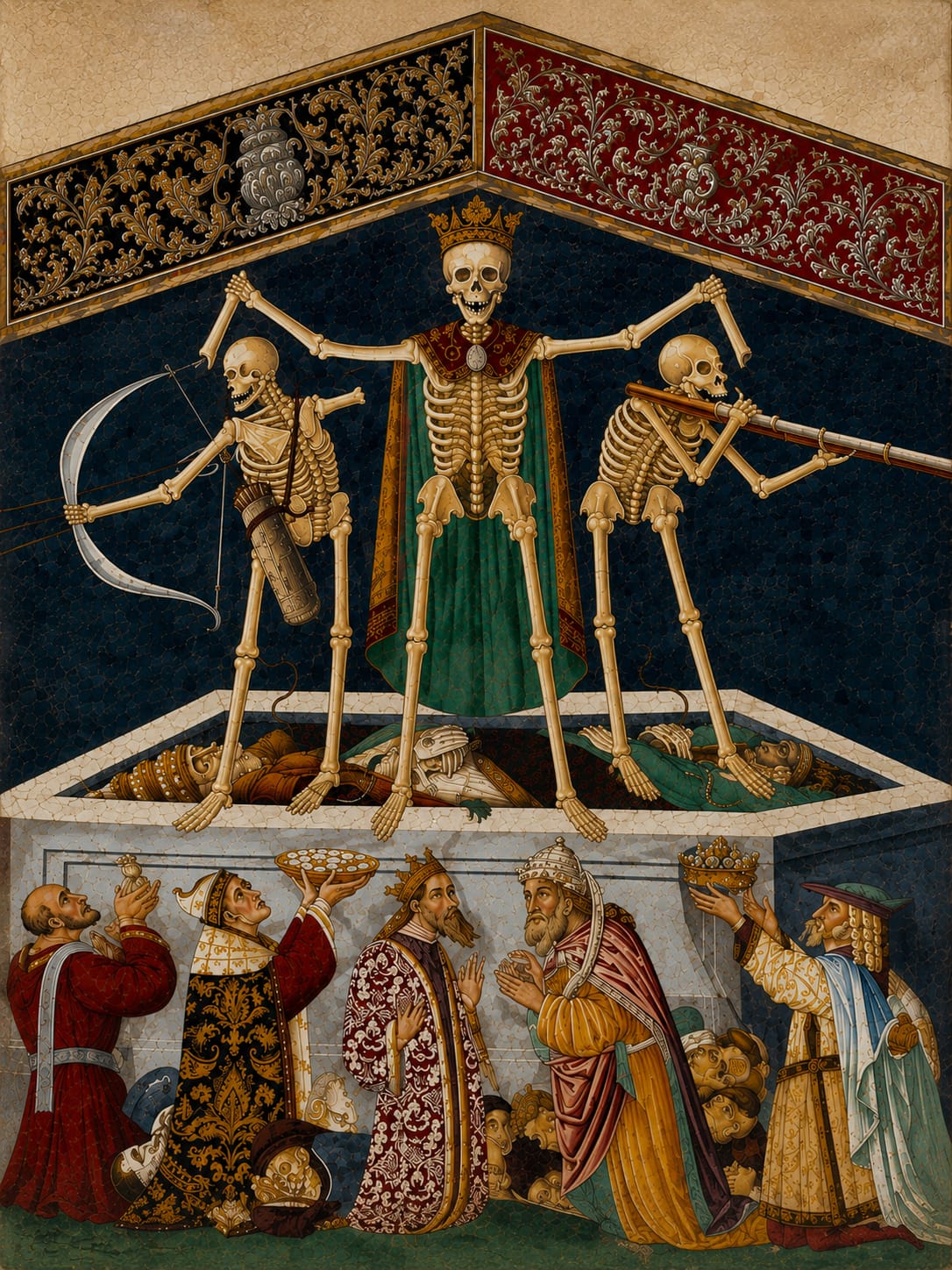
Iconography, funerary art, devotional objects, and artistic and symbolic expressions.
Grief has passed through me, and I have transformed that passage into research.
Individual specimen record for PRM 1890.30.1.
General category record for Cuman-Polovtsian anthropomorphic stone statues.
Synthesis of KAMYANA BABA statues, contexts, chronology, and methodology.
Methodology for the identification of male sex in anthropomorphic steppe statues.
Comparative synthesis linked to object/lot records already catalogued by the project; does not describe a single specimen.
A visual overview of the research terrain. The adjacent action opens the interactive collection-points map.
The MAAAT Association is a scholarly collective dedicated to the interdisciplinary study of human mortality through material culture. We maintain public archives, publish peer-reviewed research, and curate digital exhibitions to foster a dignified, cross-disciplinary understanding of heritage.
Our research brings material evidence, lived experience, and artistic interpretation into conversation. The association supports slow looking, careful documentation, and public access to knowledge.
M.A.A.A.T. is an integrated and interoperable cataloguing and research system based on international standards for the management of tangible and intangible cultural heritage.
Learn more about the projectM.A.A.A.T. promotes the active participation of communities, scholars, institutions, and citizens in the shared construction of knowledge and the safeguarding of memory.
Participate in the project